

Therapy, Uncategorized

Fear-Based Avoidance

Fear-Based AvoidanceWhen Protection Turns Into a Prison
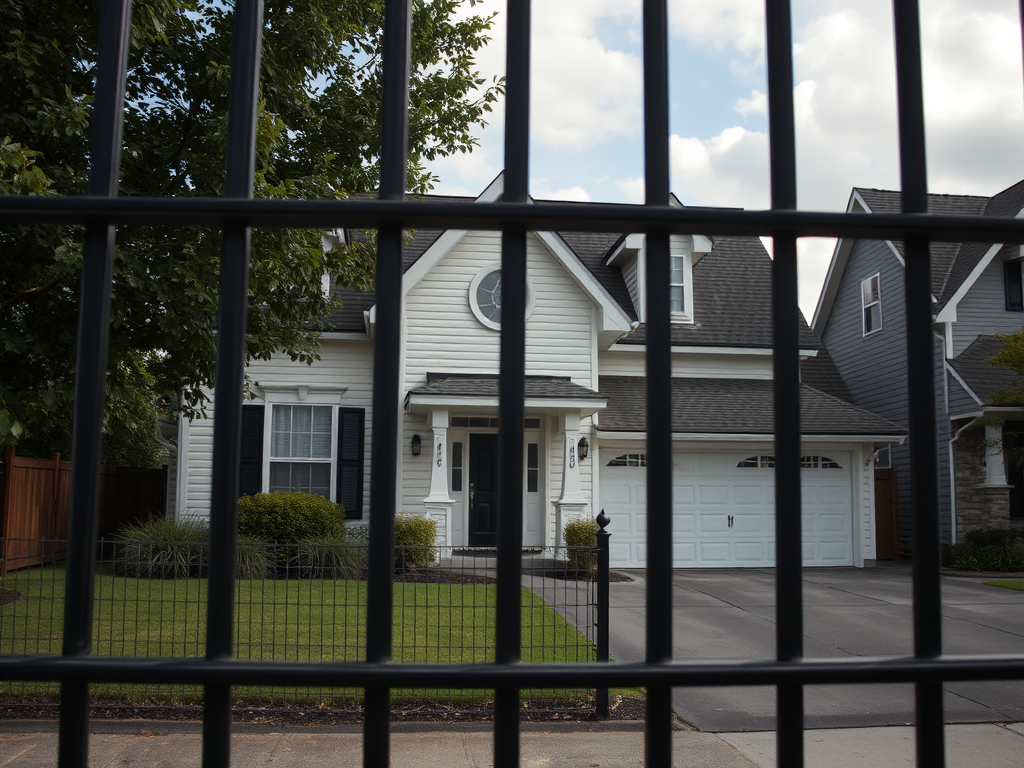
Fear gets a bad rap, but it didn’t evolve to ruin your life. Fear exists because bodies are ancient survival machines. Long before there were performance reviews, family group chats, or dating apps, fear kept our ancestors from walking off cliffs or petting animals with too many teeth. At its core, fear is a protective biological process: your nervous system scanning for danger and mobilizing you to survive it.

The problem isn’t fear itself. The problem is when the fear dial gets turned way too high.

Modern fear is often wildly mismatched to modern threats. Our bodies respond to social rejection, uncertainty, and emotional discomfort as if they were physical dangers. The same system that once helped us escape predators now floods us with adrenaline because we might say the wrong thing, feel embarrassed, disappoint someone, or fail at something that matters. Fear starts overestimating danger while underestimating our ability to cope. And when that happens, avoidance can quietly take over our lives.

Fear-based avoidance sounds reasonable on the surface. I’ll do it when I feel more confident. I’ll speak up once I’m less anxious. I’ll pursue that thing after I fix myself first. But avoidance doesn’t make fear shrink. It teaches your nervous system that fear was right all along. Every time you avoid, your brain learns: Good call. That was dangerous. The fear grows stronger, broader, and more convincing.

This is where Acceptance and Commitment Therapy (ACT) offers a different approach—not about eliminating fear, but about changing your relationship to it.

Fear Is Sensation Plus Story

ACT draws an important distinction between the physical sensations of fear and the stories our minds tell about those sensations. The body does its thing: racing heart, tight chest, shallow breathing. The mind piles on meaning: This is unbearable. This will end badly. You can’t handle this.

Those thoughts feel authoritative, but they’re not commands—they’re mental events. ACT calls the process of stepping back from them cognitive defusion. Instead of arguing with fear (“This isn’t scary!”), you notice it: I’m having the thought that this will end in disaster. That small shift creates space. You’re no longer inside the story; you’re observing it.

Fear loses some of its grip when it’s seen as information rather than instruction.

Values Give Fear a Direction

Avoidance thrives when fear is the boss. Values flip the hierarchy.

Values aren’t goals you complete; they’re directions you move in. Connection. Integrity. Creativity. Justice. Curiosity. Care. They answer the question: What kind of person do I want to be, even when it’s uncomfortable?

ACT doesn’t ask, How do I get rid of fear so I can live my life? It asks, What do I want my life to stand for—and am I willing to feel fear in service of that?

This matters because fear shows up most intensely around things that matter. If you didn’t care, you wouldn’t be scared. Anxiety before speaking up often points to a value of honesty or fairness. Fear of rejection often signals a longing for connection. Fear isn’t proof you’re weak—it’s evidence that you’re alive and invested.

Accepting Pain Without Surrendering Your Life

Acceptance in ACT doesn’t mean liking fear or resigning yourself to suffering. It means making room for discomfort without letting it decide your behavior. You stop fighting sensations that can’t be controlled and start focusing on actions that can be chosen.

Try this in real time:

  • Name the sensations (“tight throat,” “heat in my face”).
  • Breathe into them rather than away from them.
  • Remind yourself: This is uncomfortable, not dangerous.

Pain shrinks when it’s allowed and grows when it’s resisted. Avoidance trades short-term relief for long-term restriction. Acceptance trades short-term discomfort for long-term freedom.

Courage Is Usually Small and Repetitive

We tend to think of courage as something dramatic: charging into battle, stepping onto a stage, making a grand declaration. But most courage is quiet and unglamorous. It’s sending the email you’re tempted to overthink for a week. It’s staying present during a difficult conversation. It’s showing up imperfectly instead of waiting to feel ready.

Courage isn’t the absence of fear. It’s choosing to act while fear rides along in the passenger seat.

ACT emphasizes commitment—making small, values-based promises to yourself and keeping them, even when your mind protests. Start tiny. Not “I’ll never avoid again,” but “I’ll take one step toward what matters today.” Momentum builds through repetition, not intensity.

Practical Ways to Challenge Fear-Based Avoidance

  • Name the function of avoidance. Ask, What is this avoiding helping me not feel right now? Relief, embarrassment, vulnerability?
  • Shrink the step. Fear thrives on vagueness. Make actions concrete and doable.
  • Bring fear with you. Stop waiting for it to leave. Say, You can come, but you don’t get to drive.
  • Track values, not comfort. Measure success by alignment, not ease.
  • Practice defusion daily. Thoughts repeat; your relationship to them can change.

Fear will always try to keep you safe. Thank it for the intention—and then gently remind it that safety is not the same thing as living.

You don’t need to be fearless to live boldly. You just need to be willing.

Therapy

Burnout…

What It Is and How to Recover

Burnout Defined

Burnout is a word we hear often, but many people don’t recognize it until they’re already deep in it. It’s not just feeling tired after a long week or unmotivated for a day or two. Burnout is a state of emotional, mental, and often physical exhaustion caused by prolonged stress—especially when that stress feels relentless, unavoidable, or disconnected from meaning or reward. It can creep in quietly, disguising itself as “just pushing through,” until even simple tasks feel overwhelming.

At its core, burnout happens when demand consistently exceeds capacity. You give more than you can sustainably replenish. Over time, your system doesn’t just get tired—it starts to shut down as a form of self-protection.

What Burnout Feels Like

Burnout often shows up as chronic fatigue, cynicism, irritability, brain fog, or a sense of emotional numbness. You might feel detached from your work or relationships, find it harder to care about things that once mattered, or feel trapped in a loop of obligation without relief. Many people also experience physical symptoms: headaches, muscle tension, sleep problems, or increased illness.

One reason burnout is so common is that our culture rewards overcommitment. We glorify productivity, hustle, and resilience while quietly discouraging rest and limits. Many people treat life like a series of sprints—constantly rushing, pushing, and accelerating—when in reality, a sustainable life is more like a marathon. Sprinting occasionally is fine. Sprinting all the time is not.

Spoon Theory and the Cost of Overcommitting

A helpful framework for understanding burnout is spoon theory. Originally developed to describe chronic illness, spoon theory uses “spoons” as a metaphor for energy units. Each task—getting dressed, going to work, having a conversation—costs a certain number of spoons. When you’re out of spoons, you’re done for the day.

Burnout often develops when we repeatedly plan our lives as if we have unlimited spoons. We say yes to too much, underestimate the energy cost of obligations, and assume tomorrow we’ll magically have more capacity. Overcommitting—whether at work, in family roles, or socially—drains spoons faster than they can be replenished. Recovery requires learning to budget energy realistically, not optimistically.

Recovery Is Not a Vacation—It’s a Recalibration

Recovering from burnout isn’t just about taking a break, though breaks help. Many people take time off only to return to the same patterns, expectations, and internal pressures that caused burnout in the first place. True recovery requires both rest and structural change.

Here are five strategies that can support healing and help prevent burnout from returning.


1. Shift from Sprinting to Pacing

Burnout recovery begins with changing how you move through life. If you’ve been living in constant urgency, your nervous system is likely stuck in overdrive. Pacing means intentionally slowing down, building in margins, and leaving some energy unused.

This may feel uncomfortable at first, especially if your identity is tied to productivity. But pacing doesn’t mean doing nothing—it means doing what’s sustainable. Ask yourself: Could I keep living this way for years? If the answer is no, something needs to change.


2. Reassess Commitments and Say Fewer Yeses

Burnout thrives on unexamined obligation. Recovery requires a hard look at where your energy is going. Which commitments are essential, and which are inherited, habitual, or guilt-driven?

Start by reducing, not optimizing. You don’t need a more efficient schedule—you need a lighter one. Practice saying no, postponing decisions, or offering partial participation. Protecting your energy is not selfish; it’s necessary.


3. Restore Rest (Without Earning It)

Many burned-out people only rest when they feel they’ve “earned” it. Recovery asks you to flip that belief. Rest is not a reward—it’s a biological requirement.

This includes sleep, but also mental rest (less stimulation), emotional rest (fewer draining interactions), and sensory rest (quiet, nature, reduced screen time). Rest may feel unproductive, but it is the soil where recovery grows.


4. Reconnect with Meaning, Not Just Output

Burnout often strips life of meaning, leaving only tasks and expectations. Part of healing involves reconnecting with why you do what you do—or discovering new sources of meaning altogether.

This might involve creativity, values-based work, relationships, spirituality, or small moments of pleasure and curiosity. Meaning doesn’t have to be grand. It just has to be yours.


5. Seek Support and Normalize Needing Help

Burnout is not a personal failure; it’s a human response to chronic strain. Talking with a therapist, counselor, or trusted person can help you untangle unrealistic expectations, perfectionism, or people-pleasing patterns that fuel burnout.

Support also reminds you that you don’t have to carry everything alone. Recovery is faster—and gentler—when it’s shared.


Moving Forward

Burnout recovery is not linear. There will be days when energy returns, and days when it doesn’t. The goal is not to get back to who you were before burnout, but to build a life that doesn’t require burning yourself down to function.

When you stop treating life like an endless sprint, honor your limited spoons, and allow rest to be part of the plan, something important happens: energy slowly comes back—not as adrenaline, but as steadiness. And that kind of energy lasts.