
LGBT, Political, Therapy, Transgender

The Truth About Gender-Affirming Care

Countering the Mischaracterization of Trans Healthcare

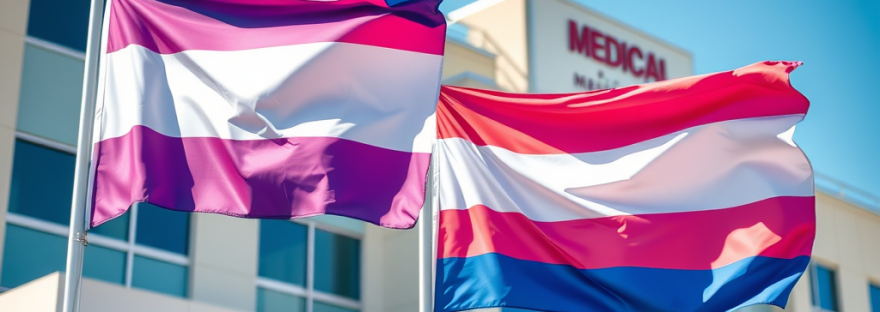
A recent study published in JAMA Pediatrics reveals an important yet often overlooked fact about transgender healthcare in the United States: a “very, very small number” of teens receive gender-affirming medical care. This finding underscores the reality that much of the rhetoric surrounding transgender youth is rooted not in evidence but in sensationalism. Despite claims to the contrary, doctors and mental health professionals who follow the World Professional Association for Transgender Health (WPATH) standards are not “grooming” children. Instead, they are providing thoughtful, evidence-based care that often involves slowing down the decision-making process and exploring various options.

What the Study Tells Us

The study, which analyzed private insurance claims for over 5 million adolescents from 2018 to 2022, found that fewer than 18,000 teens were diagnosed with gender dysphoria during this period. Even more strikingly, fewer than 1,000 accessed puberty blockers, and fewer than 2,000 received hormone therapy. In total, this represents less than 0.1% of teenagers with private insurance.

These numbers stand in stark contrast to the political narrative that frames gender-affirming care as a widespread and reckless phenomenon. Instead, the data reveals that such care is exceedingly rare and highly specialized. Moreover, many transgender youth do not pursue medical interventions at all, opting instead for non-medical changes like adopting a new name or altering their clothing and hairstyle.

A Thoughtful and Cautious Process

The standards of care set forth by WPATH emphasize a thorough, patient-centered approach to gender-affirming care. This process often begins with mental health evaluations and discussions aimed at helping young people explore their gender identity in a safe and supportive environment. Puberty blockers, for instance, are reversible treatments that give adolescents more time to consider their options before making permanent decisions.

Contrary to the inflammatory claims of critics, these interventions are not rushed or taken lightly. Decisions about puberty blockers and hormones are typically made after careful consideration, involving not just the patient but also their family and healthcare team. This aligns with WPATH guidelines, which prioritize the well-being of the individual and recommend age-appropriate care based on robust scientific evidence.

Mischaracterizing Trans Healthcare

Despite the thoughtful nature of gender-affirming care, it has been severely mischaracterized in public discourse. Opponents often portray it as experimental or dangerous, ignoring endorsements from major medical organizations like the American Academy of Pediatrics and the American Medical Association. These groups recognize that access to gender-affirming care can significantly improve mental health outcomes for transgender youth, including reducing rates of depression, anxiety, and suicidal ideation.

The political weaponization of trans healthcare has also led to widespread misinformation. For example, opponents frequently conflate gender-affirming care with irreversible surgeries on minors—a practice that is exceedingly rare and not recommended under WPATH standards for adolescents. Instead, the focus is on non-invasive or reversible treatments designed to provide support during a critical developmental period.

The Disproportionate Focus on Trans Youth

The study’s findings also highlight the disproportionate attention given to transgender youth in political and media discourse. While fewer than 0.1% of teens with private insurance receive gender-related medical care, this small group has become the target of legislative efforts in half of U.S. states. These efforts often ignore the lived experiences of transgender individuals and the consensus of medical professionals in favor of divisive political messaging.

This focus is not only unwarranted but also harmful. Transgender youth already face significant challenges, including higher rates of bullying, discrimination, and mental health struggles. The stigmatization of gender-affirming care exacerbates these issues, creating barriers to accessing supportive and life-affirming treatment.

Slowing Down to Support

Far from “pushing” children into irreversible decisions, providers who adhere to WPATH standards often help young people slow down and consider their options. This approach reflects the core principles of medical ethics: autonomy, beneficence, non-maleficence, and justice. By creating a space for open dialogue and careful deliberation, healthcare professionals empower patients and their families to make informed decisions based on their unique needs and circumstances.

Moreover, delaying or banning access to gender-affirming care does not eliminate the need for support—it merely shifts the burden onto already vulnerable populations. Denying care increases the risk of negative mental health outcomes, as individuals are forced to navigate their identities without the tools and resources they need to thrive.

The Path Forward

As debates about transgender healthcare continue, it is essential to center evidence and compassion over fear and misinformation. The findings from the JAMA Pediatrics study remind us that gender-affirming care is not a widespread or reckless practice—it is a rare, carefully considered intervention that helps young people navigate their identities with dignity and support.

Rather than demonizing healthcare providers and transgender youth, policymakers and the public should strive to understand the realities of gender-affirming care. This means listening to medical experts, uplifting the voices of transgender individuals, and rejecting the harmful narratives that misrepresent their experiences.

By doing so, we can move toward a more inclusive and compassionate society—one that recognizes the humanity of all its members and ensures that everyone has access to the care they need to live authentically.

If you live in Washington State, and you would like to make an appointment, please feel free to contact me here. I’m looking forward to hearing from you.

:), Susan Reimers, JD/LICSW

Legal, LGBT, Political, Therapy, Transgender

Debunking Rapid Onset Gender Dysphoria: Key Findings

Addressing the One Controversial Theory Fueling Anti-Trans Legislation

In the ever-evolving conversation surrounding gender diversity, research provides critical insights to guide compassionate and evidence-based understanding. A 2022 study published in Pediatrics by Jack L. Turban and colleagues challenges the controversial “Rapid Onset Gender Dysphoria” (ROGD) hypothesis, which posits that social contagion and peer influence drive sudden transgender identification among adolescents. This study’s findings highlight the resilience of transgender and gender-diverse (TGD) youth and underscore the importance of supporting their well-being through gender-affirming care.

Study Overview

The research examined the assigned-at-birth sex ratios and experiences of TGD adolescents using data from school-based surveys conducted across 16 U.S. states in 2017 and 2019. The study’s objectives included evaluating trends in TGD identification, exploring whether social contagion disproportionately affects certain groups, and addressing myths about the motivations behind identifying as TGD. By analyzing responses from a large, diverse sample, the researchers aimed to separate fact from speculation about the lived experiences of TGD youth.

Key Findings

  1. Sex Assigned at Birth Ratios
    The study found that in both 2017 and 2019, there were more assigned-male-at-birth (AMAB) TGD adolescents than assigned-female-at-birth (AFAB) TGD adolescents. This challenges the ROGD hypothesis, which claims that AFAB youth are uniquely susceptible to social contagion driving TGD identification.The slight shift in ratios over time, attributed to fewer AMAB TGD participants rather than an increase in AFAB TGD participants, further debunks claims of an AFAB-specific phenomenon. These findings contradict the idea that peer or social influences are creating clusters of transgender identification among AFAB youth.
  2. Bullying and Mental Health Challenges
    TGD youth were significantly more likely than cisgender peers to experience bullying and mental health struggles, including suicide attempts. The rates of bullying were higher for TGD youth than even for cisgender sexual minority youth. These patterns highlight the vulnerability of TGD adolescents to external stigma and the critical need for supportive environments.The data also counters the assertion that identifying as TGD offers a social advantage or serves as a way to escape sexual minority stigma. Instead, many TGD youth also identified as gay, lesbian, or bisexual, underscoring that their experiences with stigma are compounded rather than reduced.
  3. A Decrease in TGD Identification Over Time
    The percentage of adolescents identifying as TGD decreased from 2.4% in 2017 to 1.6% in 2019. This decline contradicts the notion of a social contagion effect driving exponential increases in TGD identification. If social contagion were at play, one would expect a steady or growing trend rather than a decrease.
  4. Debunking the ROGD Hypothesis
    The study directly refutes claims central to the ROGD hypothesis: that social influences uniquely drive AFAB youth toward TGD identification and that these identifications result from peer pressure or efforts to gain social status. By leveraging robust, population-based data, the researchers demonstrated that these narratives lack empirical support.

The Importance of Gender-Affirming Care

One of the most critical implications of this study is its support for gender-affirming medical care. Myths such as ROGD have been weaponized in legislative debates to deny TGD adolescents access to care, despite overwhelming evidence from major medical organizations that such care improves mental health outcomes. The researchers emphasize that restricting access to gender-affirming care based on unfounded hypotheses is not only scientifically unsound but also harmful to the well-being of TGD youth.

A n Affirming Perspective

This study reinforces that TGD youth deserve acceptance, support, and access to life-affirming care. The persistence of stigma and misinformation, such as the ROGD hypothesis, underscores the importance of amplifying evidence-based narratives that respect the lived experiences of transgender individuals. Rather than questioning the validity of TGD identities, society should focus on addressing the systemic factors—like bullying and discrimination—that harm these adolescents.

Ultimately, this research affirms that TGD youth are not merely responding to fleeting social trends or peer influences. They are navigating complex identities in a world that often misunderstands them. By creating a society grounded in empathy, evidence, and inclusion, we can empower these young people to thrive authentically.

If you live in Washington State, and you would like to make an appointment, please feel free to contact me here. I’m looking forward to hearing from you.

:), Susan Reimers, JD/LICSW

Uncategorized

Navigating Mental Health Challenges for LGBTQ+ Individuals in Politically Hostile Times

Practical Strategies to Help You Weather the Storm


The Politics of Being LGBTQ+

In recent years, the intersection of LGBTQ+ mental health and socially conservative political movements has grown increasingly concerning. As the 2024 Presidential election drew to a close, many in the queer community settled into very understandable fear and anxiety about a second Trump Administration, especially given the long list of anti-LGBTQ+ executive orders and policy changes that occurred during his first term. From the anticipation of similar roll backs of protections to current attacks on the dignity of queer people, hostile politics create an environment that fuels fear, anxiety, and discrimination.

For LGBTQ+ individuals, particularly those living in conservative regions or facing family rejection, this landscape can feel overwhelming. However, there are strategies to build resilience, protect mental health, and thrive despite these challenges. Let’s explore the impacts of these political movements and offer actionable advice to foster hope and strength.

The Mental Health Impact of Political Hostility

Chronic Stress and Its Toll

Political hostility toward LGBTQ+ people often manifests in discriminatory laws, policies, and public discourse. The steady stream of anti-LGBTQ+ narratives can lead to chronic stress, which is linked to a range of mental health issues, including depression, anxiety, and post-traumatic stress disorder (PTSD). For many, the fear of losing rights or becoming a target of violence adds a layer of insecurity that compounds everyday stressors.

Social Isolation

Hostile rhetoric can embolden individuals or groups to discriminate openly, making some LGBTQ+ individuals feel unsafe in their communities. This can result in social withdrawal or a reluctance to engage with others, further isolating them and impacting their emotional well-being.

Intersectional Vulnerabilities

For LGBTQ+ individuals who are also part of other marginalized groups—such as people of color, immigrants, or those with disabilities—the impacts of political hostility are often magnified. These intersecting oppressions create unique challenges, exacerbating the need for tailored mental health strategies.

Building Resilience in Adverse Times

Though political adversity can feel disempowering, there are ways to navigate these challenges while preserving and strengthening mental health. Building resilience requires a combination of internal and external strategies, as well as a supportive community.

1. Recognize and Validate Your Feelings

It’s normal to feel angry, sad, or scared in the face of discrimination and hostility. Suppressing these emotions can worsen mental health challenges, so take time to acknowledge and validate your feelings. Journaling, talking to trusted friends, or seeking therapy can provide safe spaces to process these emotions.

2. Stay Connected to Affirming Communities

Isolation is a common reaction to adversity, but staying connected to affirming communities is vital. Seek out LGBTQ+ support groups, either locally or online, where you can share experiences and find encouragement. Platforms like LGBTQ+ centers, community forums, and advocacy organizations offer spaces to feel seen and understood.

3. Set Boundaries with News and Social Media

Constant exposure to political news and hostile rhetoric can take a toll on your mental health. Consider setting boundaries around media consumption by limiting your time on social platforms or filtering your news intake to trusted sources. Remember, staying informed doesn’t mean overwhelming yourself with every development.

4. Engage in Advocacy

Advocacy can be a powerful way to combat feelings of helplessness. Joining movements that fight for LGBTQ+ rights allows you to channel frustration into action and connect with others who share your values. Whether it’s attending a rally, signing petitions, or volunteering with local organizations, advocacy offers a sense of agency and hope.

5. Prioritize Self-Care

Self-care is not indulgent—it’s essential. Practices such as mindfulness meditation, regular exercise, healthy eating, and adequate sleep can improve your emotional resilience. Incorporate activities that bring you joy and calm, whether that’s creative expression, spending time in nature, or engaging in hobbies.

6. Seek Professional Support

Therapy is a valuable tool for navigating mental health challenges, especially during politically turbulent times. Look for therapists who are LGBTQ+ affirming and understand the unique challenges of living in a politically hostile environment. Many organizations offer sliding-scale fees or virtual therapy options to improve accessibility.

7. Build a Personal Support System

Cultivate relationships with people who respect and support you. Whether it’s chosen family, friends, or mentors, a strong support system can act as a buffer against external negativity. Lean on these relationships during tough times and be sure to nurture them in return.

Reclaiming Your Power

While the challenges posed by socially conservative political movements are significant, it’s essential to remember that resilience is a process, not a fixed trait. The LGBTQ+ community has a long history of resistance, activism, and joy, even in the face of adversity. Drawing on this legacy can provide strength and perspective.

The Importance of Hope

During dark times, it’s easy to feel as though progress is slipping away. But history reminds us that social change is not linear; it’s a journey with setbacks and triumphs. Progress often begins with grassroots efforts, and every voice raised against injustice contributes to a broader movement toward equality.

Looking Toward the Future

Political climates can shift, and hostile rhetoric doesn’t erase the growing acceptance and love within many communities. Building resilience is not just about surviving adversity—it’s about positioning yourself to thrive when the tides turn.

Final Thoughts

LGBTQ+ mental health is deeply intertwined with the political and social environments in which individuals live. While the challenges presented by socially conservative movements like the one led by Donald Trump are real and deeply felt, resilience is achievable. By leaning on community, setting boundaries, and practicing self-care, LGBTQ+ individuals can protect their mental health and continue to fight for a more inclusive future.

Ultimately, resilience is not just an act of survival; it is a radical form of defiance in a world that seeks to undermine dignity and rights. Together, with support, compassion, and courage, the LGBTQ+ community can rise above political adversity and continue to shape a world where everyone is free to live authentically.prevail. Let us continue to stand together, advocate for change, and ensure that every individual has the opportunity to live authentically and thrive.

If you live in Washington State, and you would like to make an appointment, please feel free to contact me here. I’m looking forward to hearing from you.

:), Susan Reimers, JD/LICSW